
Understanding the 4 Bonding Methods for Self-Bonding Enameled Wire
Self-bonding enameled wire (often referred to as self-adhesive magnet wire) features an additional bonding layer over the primary insulation. This unique construction allows the wound coil to bond together and form a solid, self-supporting structure when activated by heat or solvent—eliminating the need for bobbins or formers. This makes it the ideal choice for voice coils, micro-motors, and complex frameless electromagnetic coils.
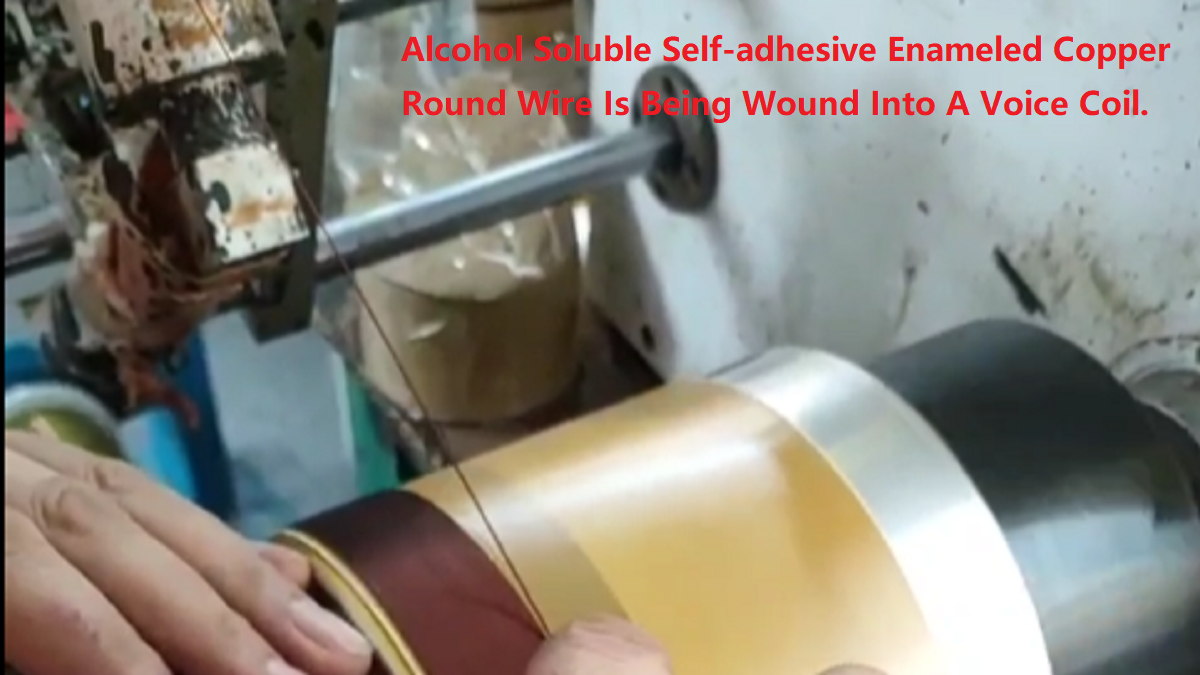
However, how you activate this bonding layer is critical to the final quality of your coil. There are four primary bonding methods used in the industry.
1. Alcohol Soluble Bonding (Solvent Bonding)
This is a highly common method where industrial alcohol (ethanol) is applied to the wire during the winding process.
- How it works: The solvent dissolves the bonding layer to create an initial tack (“green strength”) while winding. After winding, the coil is left to allow the alcohol to evaporate, followed by oven curing for final bonding.
- Advantages: Great for high-volume production and standard coil shapes. The initial tack holds the wire securely during winding.
- Precautions: The alcohol concentration must be strictly controlled between 80% and 90%; too low, and the bonding will fail. After winding, allow 30 minutes to 4 hours for evaporation before oven baking (typically at 180°C for 30 minutes).
2. Hot Air Bonding
This method uses a hot air gun to melt and cure the bonding layer in real-time during the winding process.
- How it works: A hot air gun blows directly onto the wire as it is being wound, instantly melting the adhesive to bond the layers together.
- Advantages: Extremely efficient as it requires no post-winding oven curing. It is particularly effective for ultra-fine wires (e.g., 0.10mm or smaller).
- Precautions: The temperature depends on wire diameter, winding speed, and coil size. For a 0.50mm wire, starting at 400°C and gradually increasing to 450°C–550°C is typical. Note: Wires designed specifically for “Energized Bonding” cannot be activated by hot air.
3. Energized Bonding (Resistance Bonding)
This method utilizes the coil’s own electrical resistance to generate heat from within.
- How it works: After the coil is wound, an electric current is passed directly through the wire. The resistance generates heat, which melts and cures the bonding layer uniformly.
- Advantages: Heat is generated from the inside out, ensuring highly uniform bonding throughout the entire coil.
- Precautions: Recommended for wires above 0.10mm (AWG 38). Strict control of current and duration is mandatory. Overheating the center of the coil can damage the primary insulation and cause a short circuit.
4. Oven Bonding (Heat Cure)
This is the most traditional method, suitable for standard and hot-air bonding wires alike.
- How it works: The wound coil is placed directly into an industrial oven. The ambient heat cures the thermoplastic or thermosetting bonding layer.
- Advantages: Ideal for complex shapes where a hot air gun cannot reach, or for large batches of coils.
- Precautions: Oven temperatures usually range from 170°C to 230°C, depending on the coil size, with a curing time of 20 to 40 minutes. Ensuring even heat distribution is key to avoiding weak bond points.
Summary: Which Method Should You Choose?
| Bonding Method | Best Suited For | Key Consideration |
|---|---|---|
| Alcohol Soluble | Automotive motors, general coils | Requires evaporation time + oven cure. |
| Hot Air | Ultra-fine wires, voice coils | Temperature must be tuned to winding speed. |
| Energized | Wires > 0.10mm, uniform shapes | High risk of overheating; strict parameter control. |
| Oven Cure | Complex shapes, bulk batches | Requires extended heating and cooling time. |
Need Help Selecting the Right Self-Bonding Wire?
CHINGCUNG manufactures premium self-bonding enameled wires (Class 155, 180, 200, and 240) for a wide range of applications. Our engineers can help you select the right insulation and bonding method for your specific coil design.
Contact Our Technical Team